From Bududa to Belém: A Shared Call for Climate Justice

A Global Drumbeat
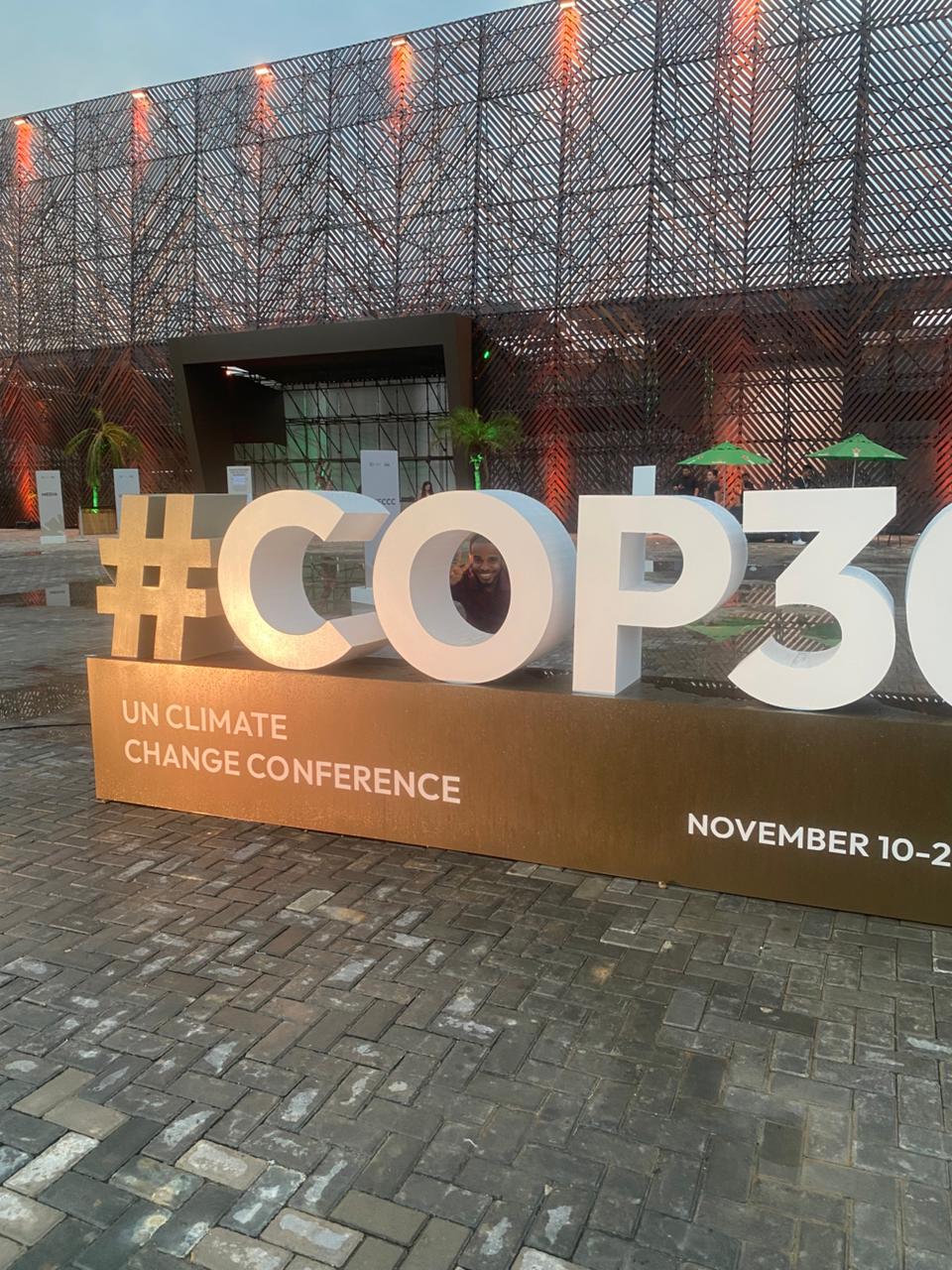
On 13th November 2025, the Amazonian city of Belém opened its arms to the world for Climate Justice Day at COP30. The air felt charged like a drumbeat shared across continents as LACLIMA and FILE welcomed activists, lawyers, community leaders and storytellers into a space built on courage and the belief that justice is not a distant idea but a living demand.
The day began with opening remarks from the Executive Director of LACLIMA and the Executive Director of FILE, grounding the gathering in purpose. What followed unfolded like a long, determined breath five panels, artistic performances and a keynote that stretched the horizon of international law.

Panel 2: Speaking for Communities on the Frontlines
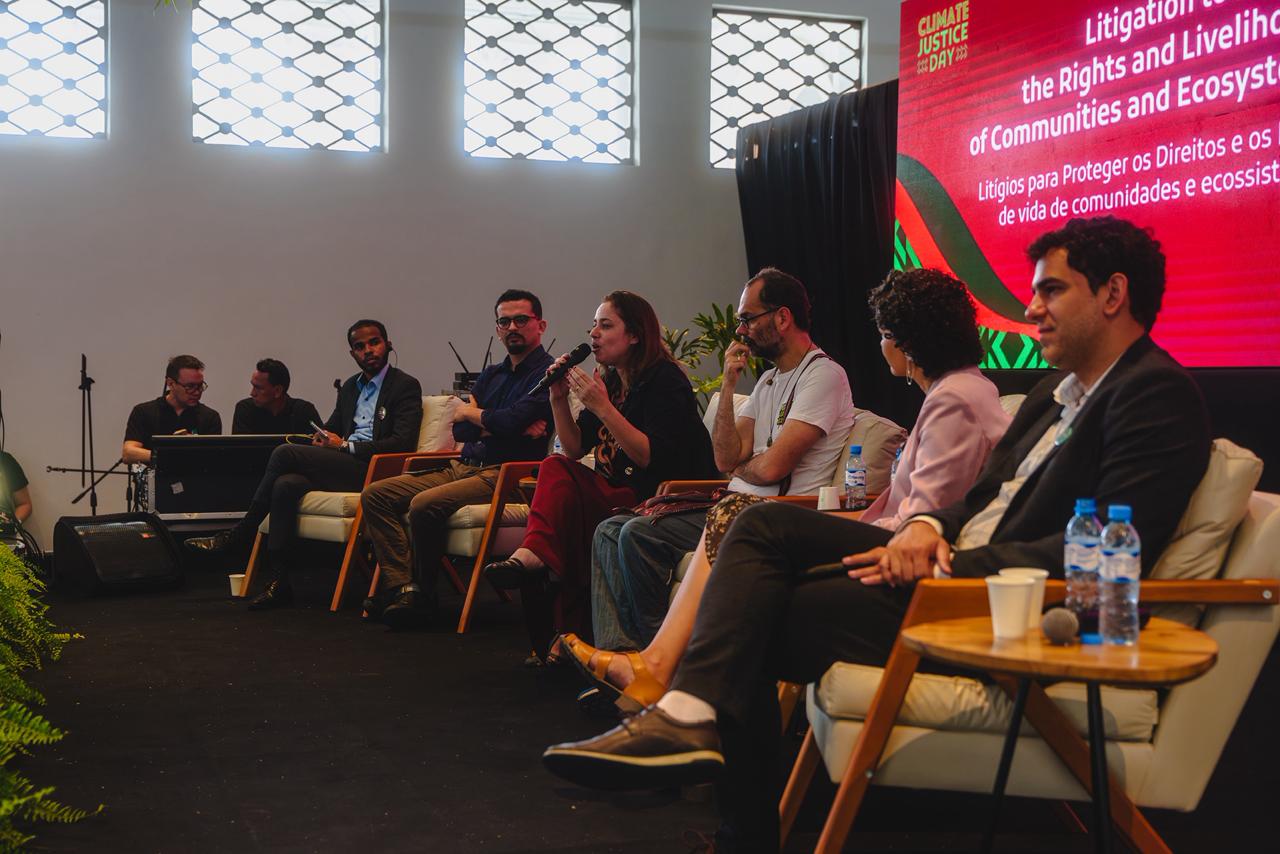
I joined the second panel, “Litigation to Protect the Rights and Livelihoods of Communities and Ecosystems: A Justice-Oriented View of Land Use, Carbon Sinks, and Biodiversity Hotspots.” Representing Greenwatch, I shared the experience from the Bududa Landslide case, a powerful illustration of how communities in Uganda like many around the world carry the heaviest weight of climate crisis. From the slopes of Bududa to the riverbanks of the Amazon, the story is painfully familiar: communities living closest to nature are the first to lose their homes, their livelihoods and too often their lives.
I emphasised a truth we see every day in our work at Greenwatch, collaboration is no longer optional, it is the oxygen of climate justice. No single case, organization or country will shift the tide alone. I also urged the need for accountability, especially for government officials entrusted with representing their countries at COP. Every year, Nationally Determined Contributions (NDCs) are submitted with promises to reduce emissions and build resilience. But promises without implementation are just paper shadows. We must hold those in power accountable for turning these commitments into real action on the ground.
Art, Law and the Space Between
Between the panels, the event welcomed a theatrical performance, “To Postpone the End of the World,” inspired by the writing of Ailtom Krenak. It reminded the room that art often speaks where policy stumbles. Later, Judge Leonardo Nemer Brant of the International Court of Justice delivered a keynote on international law and climate justice, weaving together law, ethics and responsibility in a way that left the room unusually quiet. He explored international law’s evolving role in addressing climate injustice, highlighting how global judicial frameworks can be used in protecting vulnerable communities. It was a moment of collective reflection.
The Five Panels: A Landscape of Climate Justice
The five panels travelled across the landscape of climate justice:
Panel 1: Closing the Gaps and Demanding Accountability
This panel explored the widening divide between climate commitments and implementation. Speakers highlighted how financial pledges, adaptation plans and mitigation promises often stall. The message was clear: accountability is the missing ingredient. For communities in Uganda and even in my home county of Kilifi in coastal Kenya, these gaps shape daily life, whether through rising lakes, cyclones, or eroding shorelines.
Panel 2: Litigation for Community and Ecosystem Protection
This was the panel where I shared Uganda’s experience. Litigation emerged as a vital tool, not just for remedy, but for shifting power, spotlighting inequalities and compelling governments to act.
Panel 3: Beyond Fossil Fuels, Advancing a Just and Equitable Energy Transition
Speakers warned that the world cannot replace one injustice with another. A transition that leaves communities behind is not a transition at all. This theme resonates deeply in Africa, where access to clean energy is still uneven and where communities from Uganda’s rural interiors must be included in decision-making.
Panel 4: Making Polluters Pay
This discussion centred on loss and damage, liability and financial reparations. It underscored the fact that those who caused the crisis must bear the cost of repairing it. For regions like Bududa, Teso and Kasese, this panel spoke directly to lived realities.
Panel 5: Placing People at the Heart of the Climate Emergency
This final panel stitched everything together. It argued that climate justice must be people-first. Not technology-first, not diplomacy-first. People-first. From Amazonian defenders to Ugandan farmers to Kenyan coastal families, the human voice remains the core of climate action.

A Closing of Art and Resolve
As the day closed with a powerful artistic intervention and a performance by Suaras do Tapajós, it felt clear that climate justice is not only argued in courts or written in constitutions, it is sung, marched, lived.
Marching With the World
Two days later, on 15th November, I joined thousands on the streets of Belém for the Climate Justice March. People carried placards declaring that there is no climate justice without human rights and the crowd moved like a single living tide. In those streets, Uganda felt very close. The struggles of the Batwa, the fears of farmers in Uganda, the losses in Bududa, the rising lakes in the Rwenzori region, these are chapters of the same global story.
And there was another unexpected connection. Standing in Belém, a city shaped by water, forests and resilience, I felt echoes of home not only Uganda but also Kilifi, where I come from. Kilifi’s coastline, shaped by tidal rhythms and the slow encroachment of a warming ocean, mirrors the Amazon’s dance with rising waters and deforestation. The communities there are fighting to protect the Amazon just as our communities are fighting to protect our wetlands, our forests, and our future.
At the Heart of Climate Justice: Communities
At the heart of climate justice are communities.
This was the loudest lesson of COP30’s Climate Justice Day and it is the guiding force behind Greenwatch’s work—whether through public interest litigation, advocacy, or empowerment.
As we return home to continue the work, we carry Belém with us. Its voices, its stories and its determination strengthen our own. Climate justice is a global fight, but it is won locally, hill by hill, river by river, community by community.
Greenwatch remains committed to ensuring that those most affected are not the last to be heard.
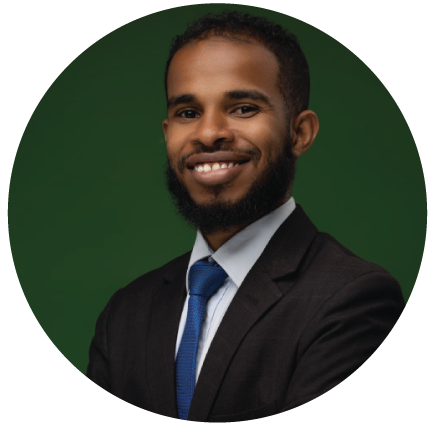
Abdun Bwanadi
Abdun Bwanadi is a passionate advocate for environmental protection and climate change, with a strong commitment to community service and legal empowerment. Inspired by his love for farming and nature, he joined Greenwatch as a Climate Legal Fellow to deepen his understanding of climate law and its intersection with legal practice in the region.