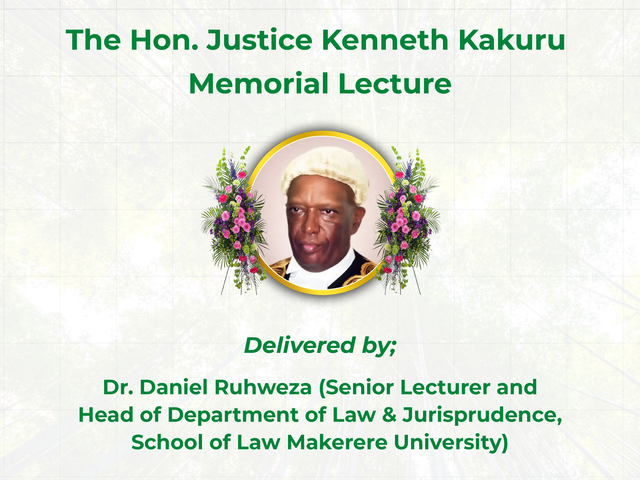
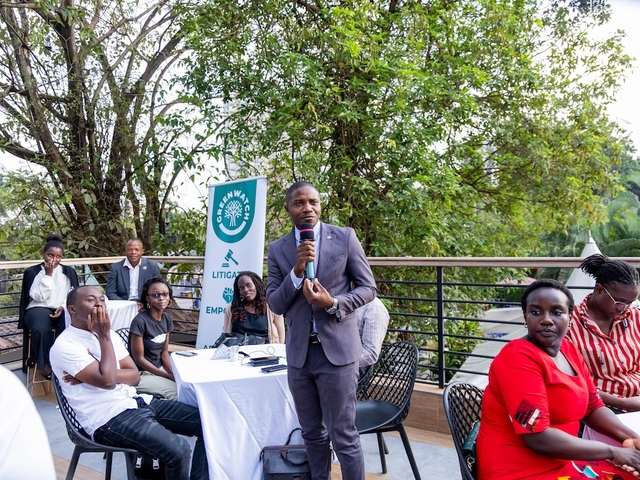
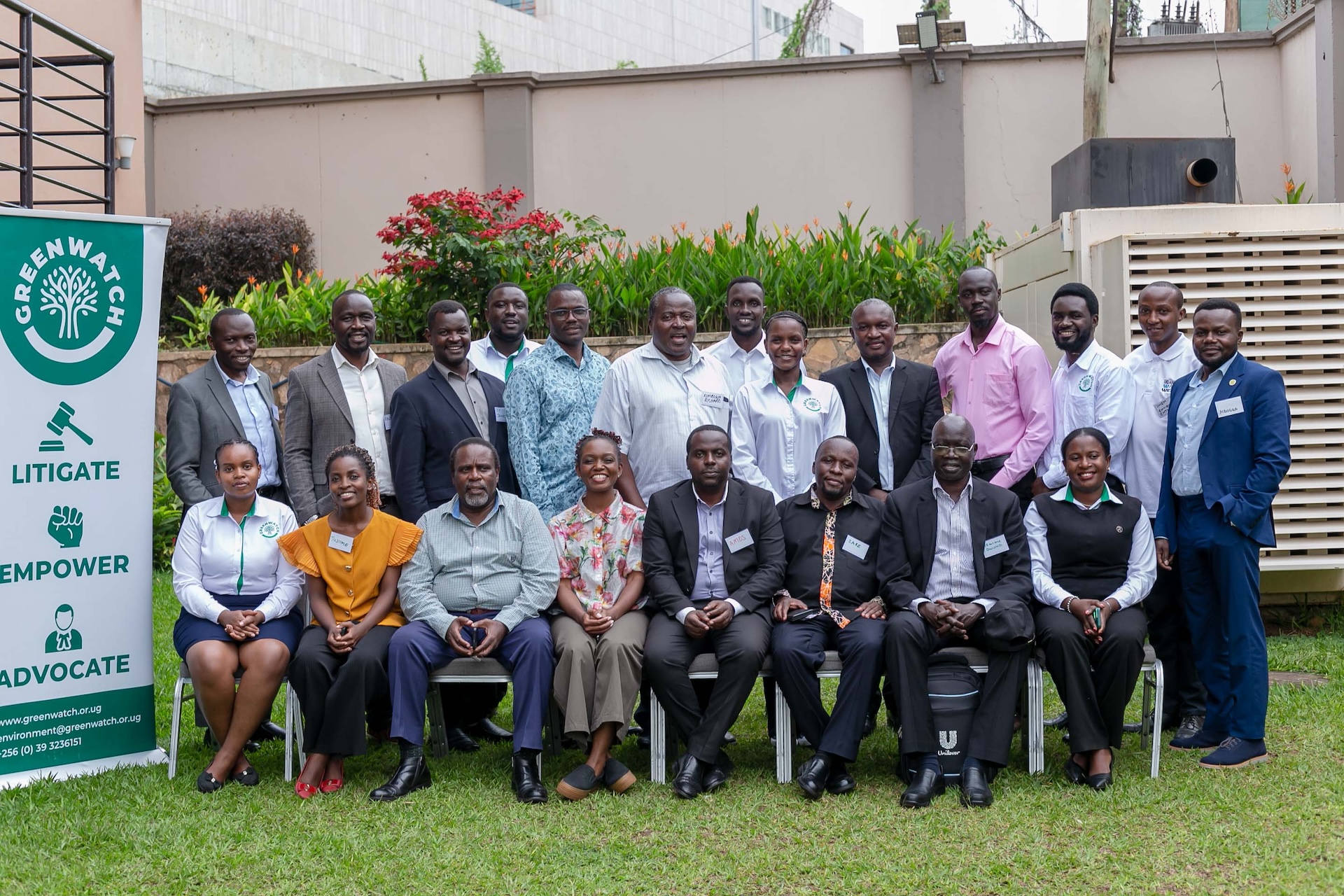
On 21st May 2026, Greenwatch convened a dynamic and interdisciplinary workshop bringing together scientists, lawyers, policymakers, and civil society actors to explore one urgent question:
How can science better support climate litigation in Uganda and the Global South?
The workshop unfolded in three key phases; expectations and foundational insights, deep technical discussions, and strategic reflections on the future of climate litigation, each building toward a shared vision of strengthening environmental justice through collaboration.
Session 1: Setting the Stage – Expectations and Foundations
The workshop opened with participants expressing a strong desire to better understand the intersection between science and law in environmental litigation.
Across the room, a common theme emerged:
there is a clear need to bridge the gap between scientific knowledge and legal practice.
Participants highlighted key expectations:
- Understanding how scientific evidence can strengthen litigation
- Learning from past cases and best practices
- Clarifying the role of scientists in legal processes
- Exploring how courts interpret and use scientific data
Greenwatch’s Executive Director presented the organization’s evolution from litigation to a broader strategy built on advocacy, empowerment, and legal action anchored in the constitutional right to a clean and healthy environment.
A major shift in climate litigation was emphasized:
Moving from moral and political arguments to science-based, evidence-driven cases.
This transition has made one thing clear—science is now central to winning environmental cases.
Science in the Courtroom: A New Frontier
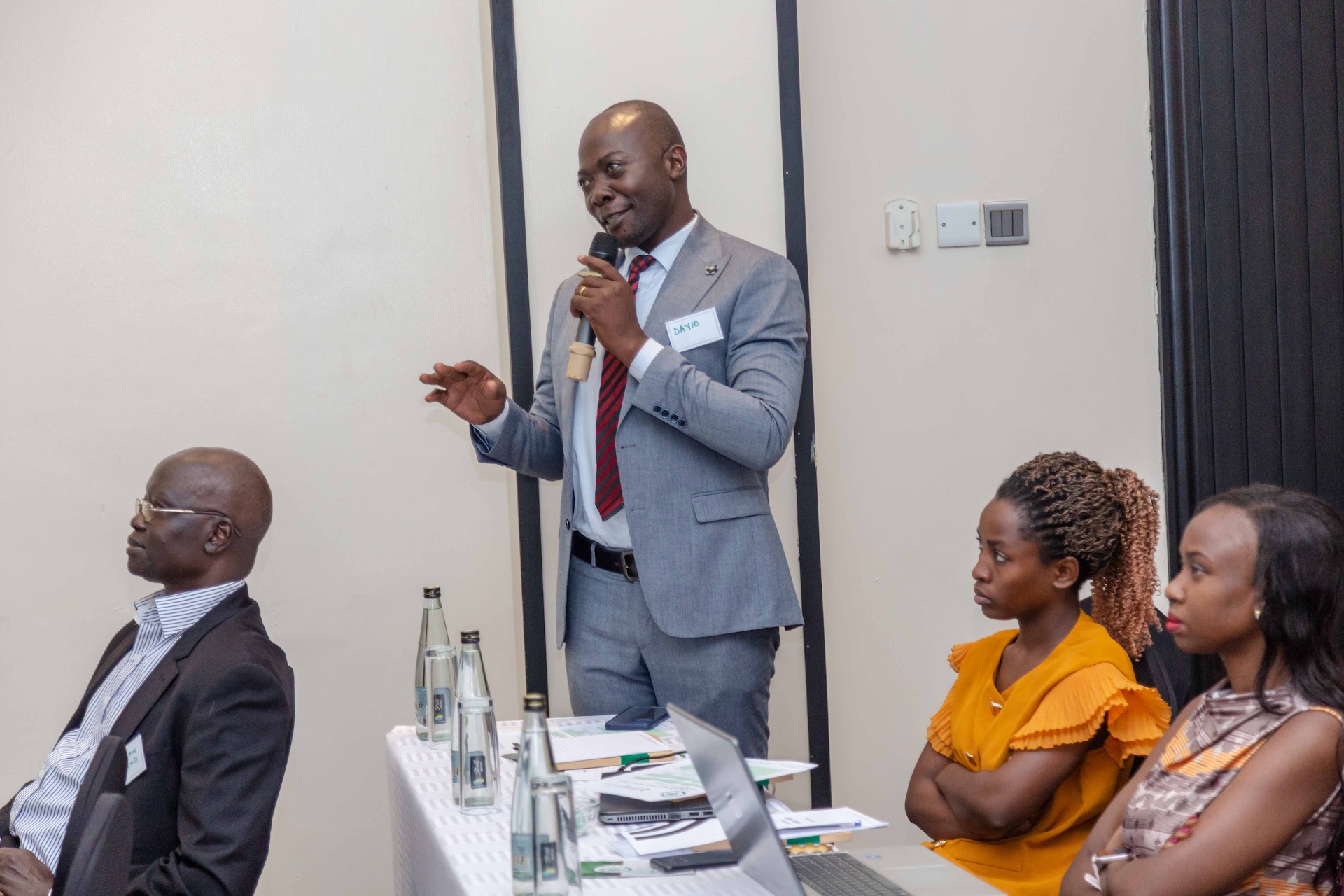
A key highlight was the presentation on climate science in litigation, particularly the rise of attribution science, a method used to link emissions to specific climate impacts.
Participants learned that:
- Courts increasingly rely on scientific evidence to determine responsibility
- A hierarchy of evidence exists, with IPCC reports at the top, followed by regional studies and peer-reviewed research
- However, scientific evidence must be simplified and clearly communicated for judges, who are not scientific experts
At the same time, challenges persist:
- Data gaps, especially in the Global South
- Difficulty linking global climate change to local impacts
- The complexity of proving causation in court
The discussion made it clear:
strong science alone is not enough—it must be translated into compelling legal narratives.
 |  |
 |  |
Session 2: Deepening the Conversation – Context, Evidence, and Collaboration
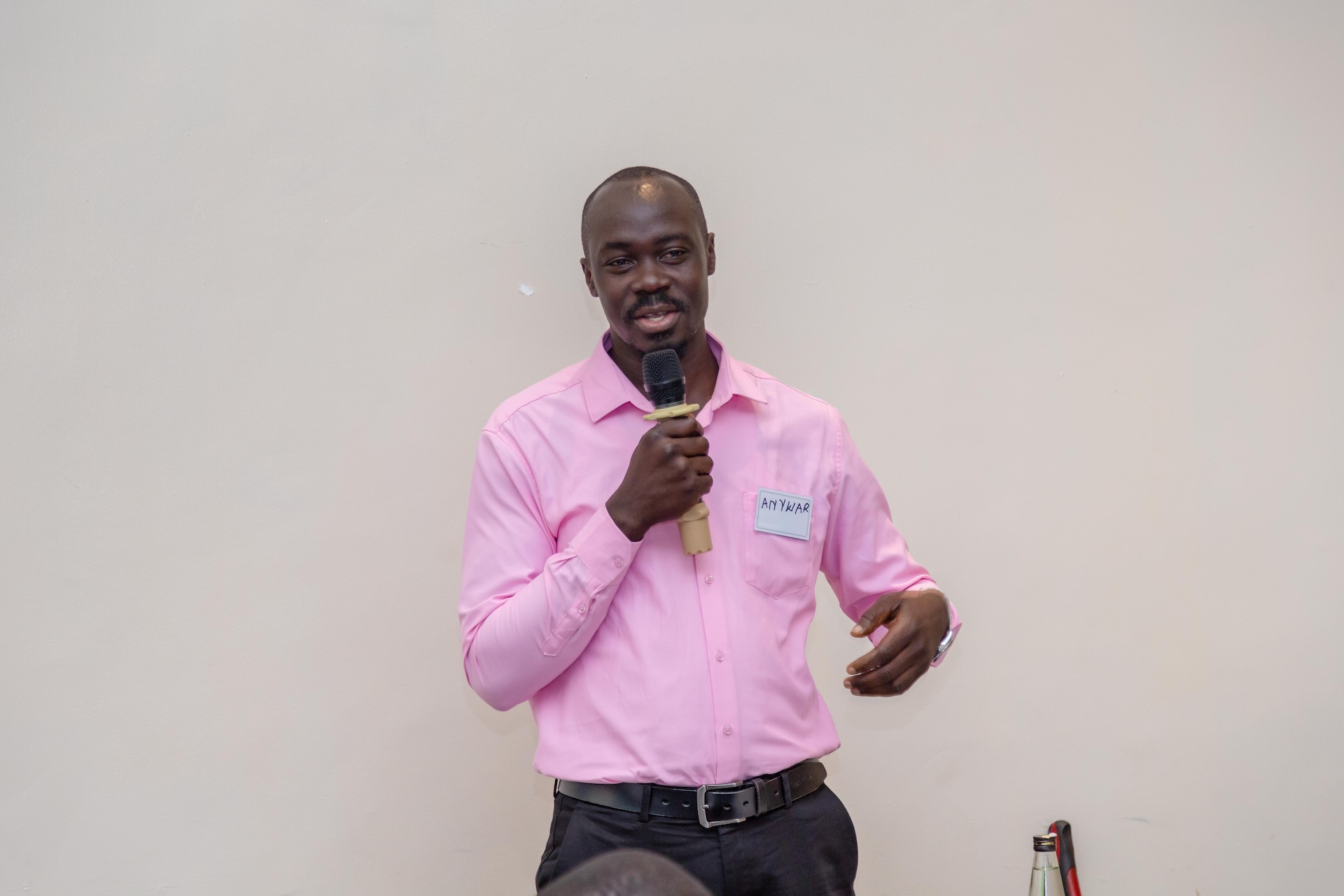
The second phase of the workshop focused on contextualizing climate litigation within Uganda and the Global South.
Participants stressed that:
- Litigation must reflect local realities, not just global frameworks
- Climate justice issues such as carbon markets and energy transitions often have unequal impacts at the local level
Rethinking Climate Justice in Local Contexts
Discussions raised critical concerns:
- Carbon credit systems may benefit global actors more than local communities
- Consumers are vulnerable to substandard “green” products
- Litigation can play a role in protecting citizens and ensuring accountability
This highlighted an important shift: Climate litigation is not only about emissions, it is also about equity, fairness, and consumer protection.
The Role of Scientists: Beyond Research
A major focus was the evolving role of scientists in litigation. Scientists are no longer just observers, they are becoming active participants in justice processes.
Their roles include:
- Providing factual and technical evidence
- Serving as expert witnesses
- Conducting attribution studies
- Supporting policy modeling and projections
However, effective participation requires:
- Training in legal processes
- Ability to communicate clearly
- Maintaining independence and credibility
As emphasized during the discussions:
scientific integrity is non-negotiable even in adversarial legal settings.
Collaboration is Key
One of the strongest messages from Part 2 was the importance of interdisciplinary collaboration.
Participants called for:
- Teams that include lawyers, scientists, and social experts
- Continuous engagement through thematic groups and meetings
- Building networks to support ongoing litigation efforts
Without collaboration, even strong evidence can fail in court.
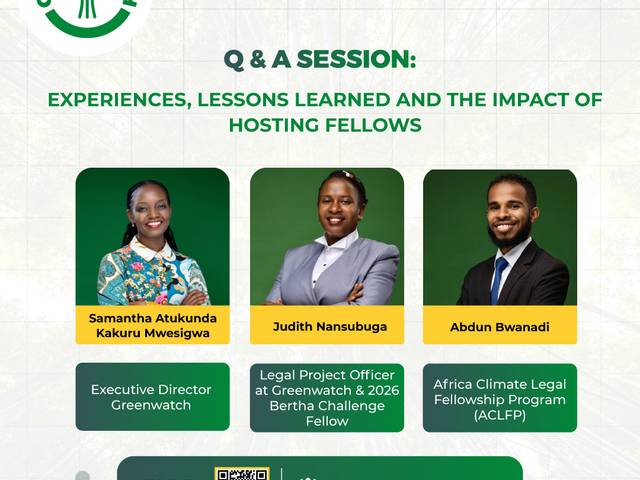
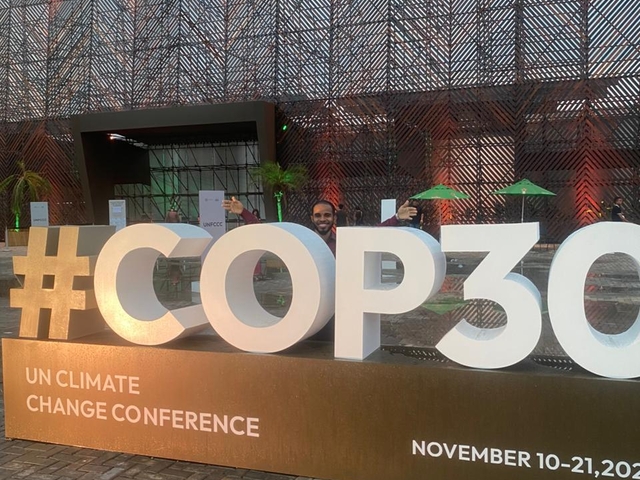
Online Presentations from Invited Speakers
Session 3: From Challenges to Action – The Future of Climate Litigation
The final phase of the workshop shifted toward practical realities, systemic challenges, and future opportunities.
A Strong Legal Framework, But Limited Use
Uganda’s Climate Change Act (2021) provides a powerful legal basis for climate litigation, allowing individuals to seek remedies for environmental harm.
Courts can:
- Stop harmful activities
- Compel restoration
- Award compensation for loss and damage
Yet, participants noted that these legal tools are not fully utilized.
Key Barriers Identified
Several challenges were highlighted:
1. Evidence Gaps
- Most research is not designed for litigation
- Lack of context-specific, actionable data
- Limited agency among scientists to engage in legal processes
2. Science–Law Disconnect
- Scientists and lawyers use evidence differently
- Communication gaps reduce effectiveness in court
3. Institutional and Judicial Constraints
- Slow litigation processes
- Judicial hesitation in complex climate cases
- Perception of climate litigation as political

The Power of Strategy and Public Engagement
A key lesson was that litigation alone cannot drive climate justice.
Successful cases require:
- Advocacy
- Public mobilization
- Community engagement
Participants emphasized that communities must be part of the process, not just subjects of litigation.
Breaking the Silos
The workshop repeatedly returned to one critical issue:
The silo between science and law.
To address this, participants proposed:
- Cross-disciplinary training
- Curriculum reform
- Joint learning and practical engagement
- Creation of communities of practice
A Way Forward
The workshop concluded with clear action points:
- Invest in evidence generation, especially on loss and damage
- Develop accessible, centralized data systems
- Translate science into clear legal narratives
- Strengthen partnerships across sectors
- Build capacity for both scientists and legal professionals
Greenwatch also committed to:
- Establishing collaboration platforms
- Supporting training and networking
- Expanding initiatives like the Environmental Law Clinic
Conclusion: From Dialogue to Action
The Science and The Law Workshop (2026) was more than a conversation. It was a call to action.
It demonstrated that:
- The legal framework exists
- The science exists
- The expertise exists
What is needed now is integration.
By bringing together science, law, and communities, Uganda has the opportunity to build a strong, inclusive, and effective climate litigation ecosystem—one that not only protects the environment but also advances justice for present and future generations.
Watch The Live Stream Recording;

Greenwatch
We believe that environmental rights can be better exercised when people have access to information, can participate in decisions that affect their surroundings and have access to justice incase their rights are violated. Greenwatch exists to ensure that every individual in Uganda knows that they have environmental rights and these rights can be fully exercised through access to information, justice and public participation.