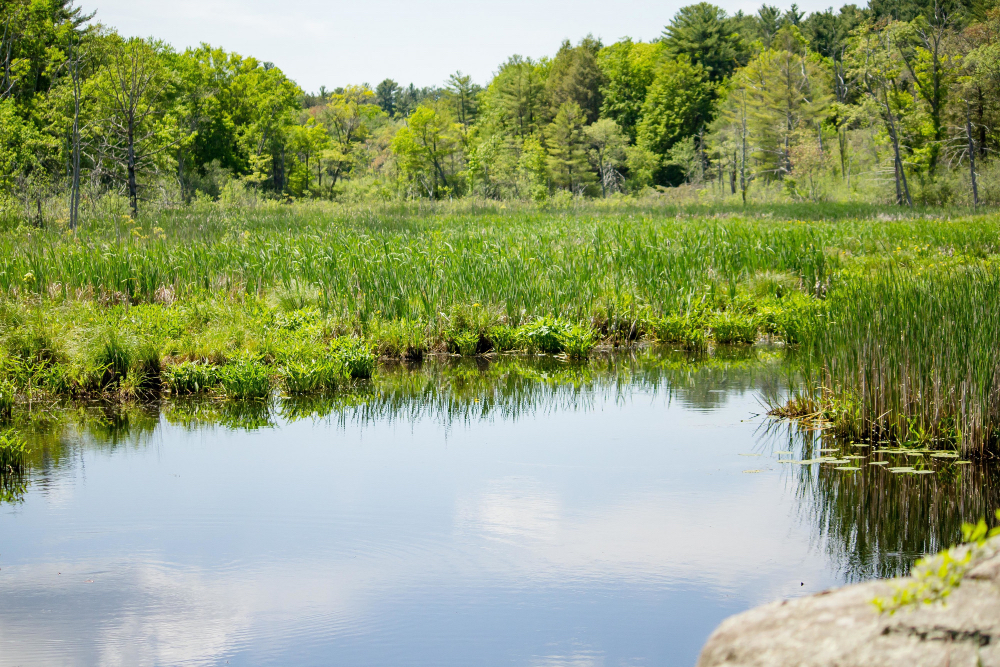
World Wetlands Day 2026: Protecting Wetlands, Preserving Our Heritage

On 2nd February 2026, Uganda joins the global community to commemorate World Wetlands Day under the theme “Wetlands and Traditional Knowledge: Celebrating Cultural Heritage” with the slogan “Conserve Wetlands, Protect Our Heritage.”
This year’s theme is a powerful reminder that wetlands are more than ecosystems they are living cultural landscapes deeply rooted in the history, identity and survival of our communities.
Across Uganda, wetlands have sustained communities for generations. In the Central Region, wetlands such as Lwera, Lubigi, Katonga and the Nakivubo have traditionally served as natural water purification systems, provided water, papyrus for crafts, food natural flood protection, the Eastern region largely depends on Mpologoma and others for fishing, seasonal farming and cultural practices among others.
Beyond their ecological and economic value, wetlands hold deep cultural and spiritual significance. In many communities, certain wetland areas were traditionally regarded as sacred sites, protected by cultural norms and taboos that prohibited cultivation, settlement or destruction. Elders and clan leaders played a central role in regulating access and use, ensuring collective responsibility for conservation.
Traditional practices such as seasonal harvesting, use of non-destructive fishing methods, protection of breeding and spawning areas, and maintenance of buffer zones along wetland edges helped wetlands regenerate naturally. Indigenous knowledge guided the sustainable use of papyrus, reeds, medicinal plants and fish, ensuring that wetlands continued to support both present and future generations.
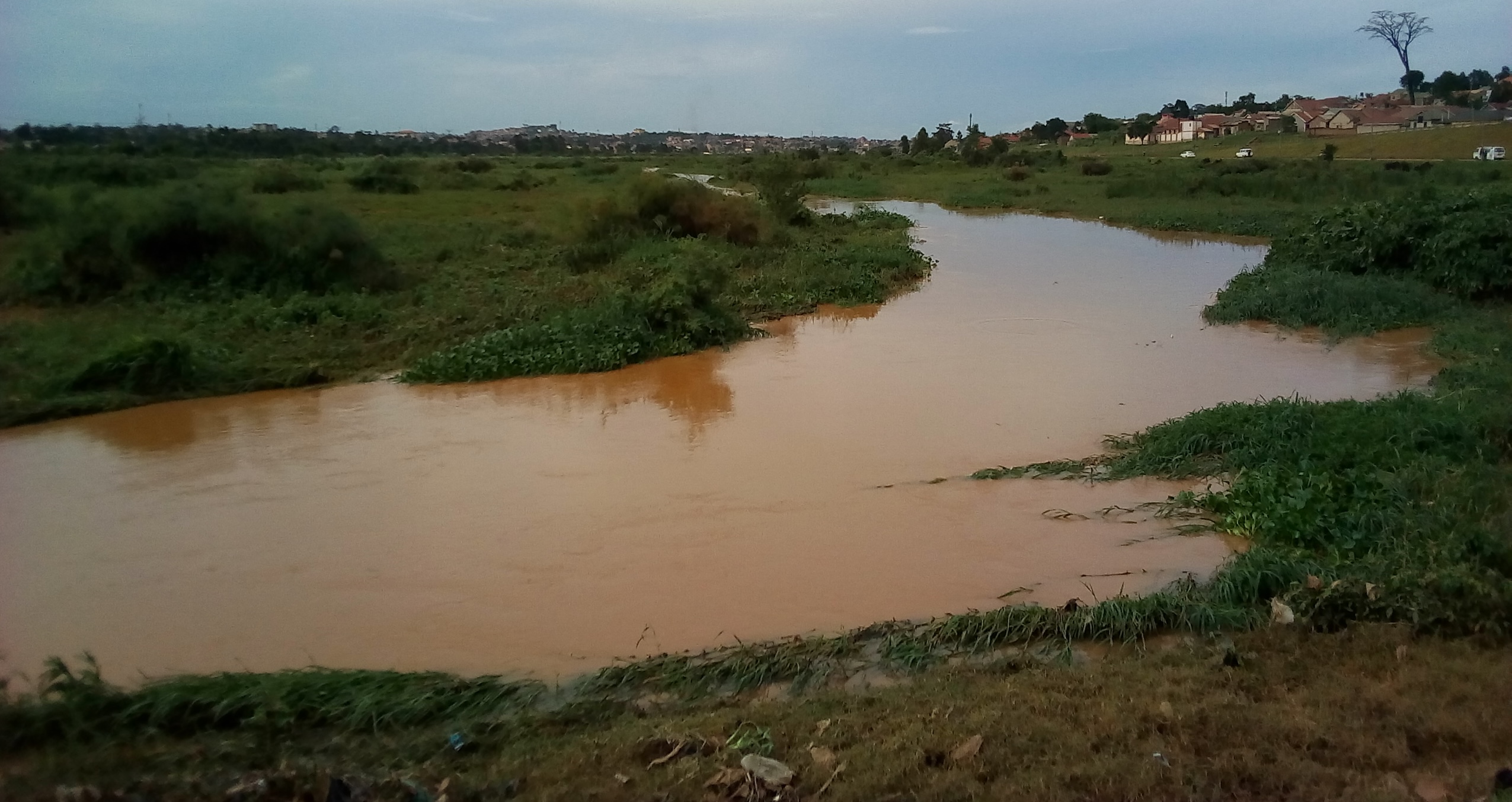
Recognizing and integrating this traditional knowledge into wetland management strengthens conservation efforts, enhances climate resilience and ensures solutions are locally appropriate and culturally respectful. Protecting wetlands therefore, also means protecting the knowledge systems that have sustained them.
Despite their importance, Uganda’s wetlands continue to face serious threats. Wetlands such as Lubigi Swamp and Nakiyanja Wetland among others have increasingly been degraded due to commercial activities and infrastructure development often enabled by weak enforcement of environmental laws.
These pressures not only degrade ecosystems but also erode cultural heritage and livelihoods, particularly for vulnerable and marginalized communities. When wetlands are destroyed, communities lose more than water and biodiversity, they lose history, identity and natural protection against climate impacts.
At Greenwatch, we believe that a clean and healthy environment is a fundamental human right. Protecting wetlands is therefore both an Environmental Justice and Human Rights issue. It requires accountable governance, respect for community rights and inclusive decision-making that values indigenous knowledge.
As Uganda commemorates World Wetlands Day 2026, there is an urgent need to:
- Strengthen the protection and restoration of wetlands;
- Recognize and integrate traditional knowledge into environmental governance
- Empower communities to participate meaningfully in wetland management
- Enforce environmental laws to prevent degradation and illegal use.
This World Wetlands Day is a call to action. It invites us to reflect on the deep connection between nature and culture, recommit to protecting wetlands as sources of life, identity and resilience for the present and future generations.
Conserve Wetlands. Protect Our Heritage.

Judith Nansubuga
Staff Advocate & 2026 Bertha Challenge Fellow
Judith Nansubuga is a young Human rights and Environmental activist who is committed to build a just world where rights are protected and the eco-system thrive for the future generations.