
Climate change is no longer a future threat for Uganda, it is already disrupting lives, livelihoods, and ecosystems. Rising temperatures, erratic rainfall, floods, droughts, landslides and persistent urban flooding are deepening inequality and placing vulnerable communities at greatest risk.
As the world approaches critical climate negotiations in 2026, Uganda stands at an important crossroads. Climate justice must move from principle to practice.
Why Climate Justice Matters
Climate justice recognizes that countries like Uganda have contributed least to global emissions but suffer some of the worst climate impacts. It calls for fairness, accountability, and the protection of human rights, including fair access to climate finance, meaningful community participation, and strong environmental governance.
For Greenwatch, Climate Justice means protecting the right to a healthy environment by ensuring fair, inclusive and accountable climate action that centers and empowers vulnerable and marginalized communities across Uganda.
Lessons from 2025
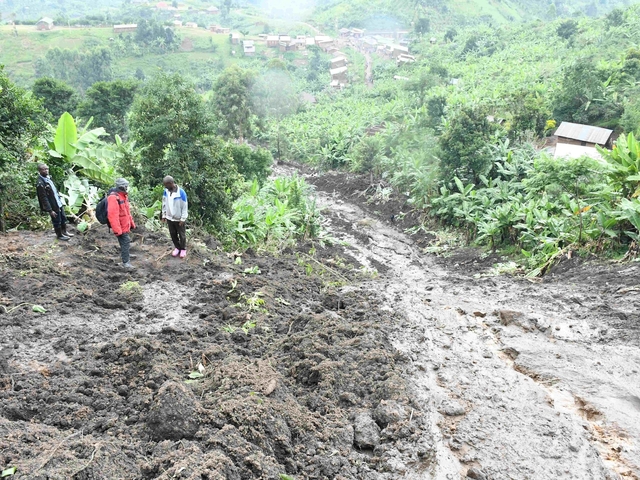
In 2025, climate impacts were felt across the country. Heatwaves, droughts, floods, and landslides disrupted agriculture, water access, and household incomes. Landslides in Eastern Uganda displaced families, while repeated flooding of Kampala’s Nakivubo Channel exposed long-standing failures in urban planning, drainage, and waste management.
At the same time, Uganda made progress by introducing its first carbon credit framework and the National Climate Change (Climate Change Mechanisms) Regulations, 2025, highlighting both opportunity and the need for strong safeguards to protect communities and ecosystems
What 2026 Means for Uganda
Climate projections indicate that 2026 will remain among the warmest years on record. For Uganda, this means increased risks to food security, greater urban flooding, and heightened vulnerability for rural communities dependent on rain-fed agriculture.
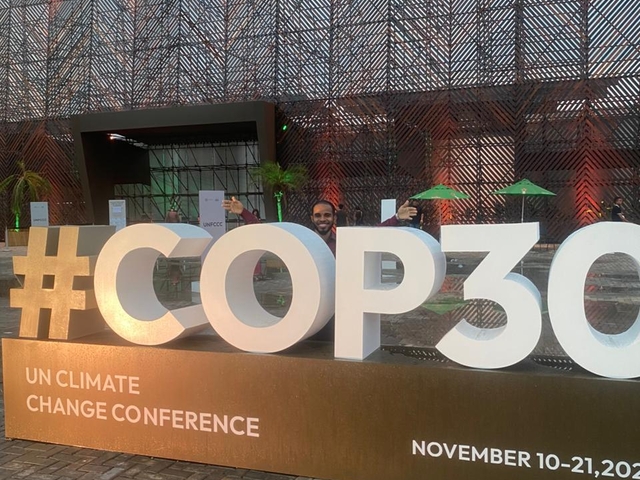
Uganda’s climate priorities in 2026 will also align with global climate negotiations at COP31 where decisions on adaptation and climate finance will directly affect national and community resilience.
Advancing Climate Justice
To protect people and ecosystems, Uganda must:
- Enforce climate and environmental laws effectively
- Ensure transparent and equitable access to climate finance
- Strengthen early-warning systems and disaster preparedness
- Address urban flooding through accountable, inclusive planning
- Support legal pathways for communities affected by climate harm.
The Way Forward
Climate justice must be mainstreamed across all sectors, from agriculture and health to urban development and finance. Communities must be empowered with knowledge, resources, and a voice in decision-making. Public awareness, including action on single-use plastics and environmental protection, remains critical.
Conclusion
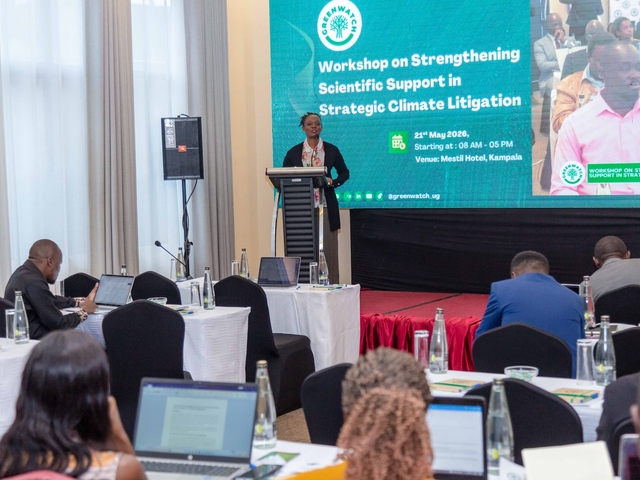
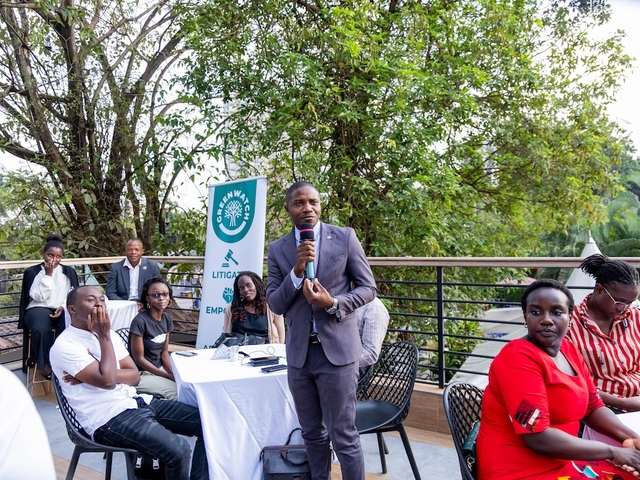
The year 2026 presents a vital opportunity for Uganda to turn climate commitments into real action. By centering justice, accountability and community voices, Uganda can confront the climate crisis in a way that is fair, inclusive and sustainable, leaving no one behind. These are some of the things we are focusing on as Greenwatch, we are opening a legal aid clinic to widen operations under environmental justice and litigation, carrying out trainings with students and young lawyers to equip them with skills and environmental information or knowledge, conducting campaigns to combat plastic pollution, training journalists on climate reporting and training science experts on writing witness statements and presenting relevant information for environmental court proceedings.

Ramon Tindimwebwa
Ramon is driven by his interest in legal innovation and public interest litigation. He has been actively involved with the Legal Innovation Hub, helping to organize the World Legal Summit for three years, where he promoted the use of technology to advance the legal profession. His commitment to growth and leadership is evident through his time at Fidelis Leadership Institute, where he worked on strengthening both his personal and professional skills.